
✦
Training
Build healthy habits and communicate more clearly.
Samoyeds originated in northern Siberia, where they helped the Samoyedic peoples tend reindeer and pull sleds. Their thick, long coat, upright ears, curled, plumed tail and upturned mouth gi…
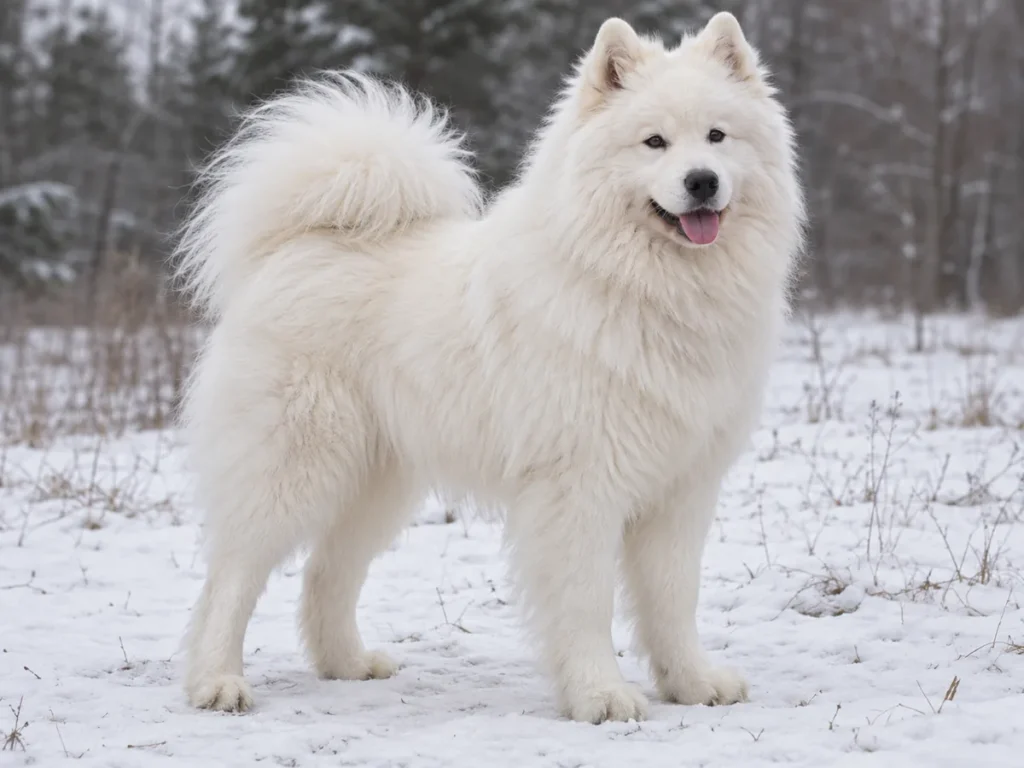
Samoyeds originated in northern Siberia, where they helped the Samoyedic peoples tend reindeer and pull sleds. Their thick, long coat, upright ears, curled, plumed tail and upturned mouth give them a distinctive, smiling appearance. Gentle, affectionate and playful, they enjoy family life and need plenty of company. They are energetic, keen to explore outdoors and quick to learn, though a stubborn streak can call for patience during training. Daily walks and play are only part of their care: regular brushing and cleaning up loose hair are also part of life with a Samoyed. They shed throughout the year, with heavier seasonal shedding, and need a cool place to rest in hot weather.
Breed name: Samoyed. The name comes from the Samoyedic peoples of Siberia, who originally kept these dogs.
The Samoyedic peoples of northern Siberia relied mainly on reindeer herding and hunting. Their dogs lived alongside them, helping tend the herds, pull sleds and hunt, and were treated as members of the family.
Samoyeds reached Europe in the late 19th century. In the early 20th century, some pulled sleds on Arctic and Antarctic expeditions. Many of the Samoyeds later bred in Britain and the United States descended from those expedition dogs. The breed is now also kept as a family companion.
Adult males stand about 54–60 cm at the shoulder and weigh around 20.4–29.5 kg. Adult females stand about 50–56 cm and weigh around 15.9–22.7 kg.
A Samoyed has a sturdy build, a wedge-shaped head, upright triangular ears and dark, slightly almond-shaped eyes. The tail is long and bushy. The gently upturned corners of the mouth create the breed’s familiar “smile.”
The double coat has long, straight outer hairs and a soft, dense undercoat, giving it a full, fluffy appearance. White is common, and cream coats also occur. Shedding continues year-round and becomes heavier during seasonal coat changes, so hair on clothes and furniture needs regular cleaning up.
Samoyeds are affectionate, lively dogs that enjoy playing with their families and need close companionship. Curious and eager to explore, they learn quickly but can be stubborn. Training takes patience, with everyone in the household following the same rules.
Alongside family life, they can take part in sledding and agility. When living with children or other pets, they need gradual introductions and supervised interaction.
The expected lifespan is about 12–14 years. Health concerns to be aware of include hip dysplasia, some inherited eye diseases, heart disease and Samoyed hereditary glomerulopathy. Hip problems can affect movement, eye disease can damage vision, and hereditary glomerulopathy affects kidney function. These conditions do not affect every Samoyed.
Plan for daily walks, play and companionship, as well as ongoing training. If the household is often empty for long stretches, arrange for someone to look after the dog.
Year-round shedding means making time for brushing, bathing and cleaning the house. The dense coat needs towel-drying or blow-drying after a bath, with more brushing and cleaning during heavy shedding. Samoyeds are sensitive to heat: provide a cool, well-ventilated resting place and avoid outdoor activity during the hottest parts of the day.
Someone must also be responsible for supervising time with children and other pets. Before the dog arrives, agree on who will handle feeding, walks and grooming, and budget for food, everyday supplies, coat care and veterinary expenses over the long term.
Samoyeds enjoy being around people, playing and joining in family activities. They can live with children, other dogs and cats, but introductions need to be gradual and guided. Supervise them around children and small animals, as they may chase or try to herd them.
They are quick learners with a sometimes stubborn streak. Start introducing training gradually when a puppy comes home, helping it settle into its surroundings and daily routine. Keep expectations consistent across the household and be patient while teaching. Without enough activity and company, a bored Samoyed may chew belongings or dig.
Choose a complete and balanced dog food suited to the dog’s age and health. Adjust portions to age, body condition and activity level, and count treats as part of the daily food allowance to avoid overfeeding. Keep clean drinking water available at all times. If the dog is ill, follow your veterinarian’s dietary advice. Your veterinarian can also help when changes to the feeding plan are needed.
Provide activity every day through walks, play and time together, giving your Samoyed opportunities to move and explore. Use a leash when out and about; off-leash activity should take place in a secure, fenced area to prevent wandering. In hot weather, avoid the hottest times of day and keep the resting area cool and well ventilated.
Brush regularly, working through both the long outer coat and the undercoat to remove loose hair. Brush more often during heavy shedding. Bathe as needed to keep the coat clean, then towel-dry or blow-dry it thoroughly so moisture does not remain trapped in the thick coat. Use a dryer on a low setting. Routine care also includes nail trims, ear cleaning and toothbrushing.
Follow your veterinarian’s advice on checkups, vaccinations and parasite control. Watch for changes in movement, eyes or activity level. Redness, cloudiness or unusual discharge from the eyes warrants prompt veterinary attention. Difficulty breathing or sudden collapse requires immediate veterinary help.
Ask about the health of the dog and its parents, and review any available hip assessments and genetic test reports. Genetic tests exist for some inherited eye diseases and for Samoyed hereditary glomerulopathy, but each test checks for a particular problem. Ask a veterinarian to explain the results. A report only covers what was tested: it cannot rule out every health problem or guarantee that the dog will remain healthy.
Watch how the dog walks and look at its eyes, skin and coat. Signs such as red or cloudy eyes should be assessed by a veterinarian. A brief meeting gives you a picture of the dog at that moment; even if nothing seems wrong, it cannot replace a veterinary health check.
Ask the breeder or current caregiver what training the dog has had and how it interacts with people and other animals. For a puppy, find out which people, animals and environments it has already encountered, then use that information to plan its introduction to your home and further training.
Agree in advance on who will handle walks, feeding and grooming. If you have children, cats or other small pets, let them get to know the dog gradually under supervision. A friendly temperament does not mean a dog can be left alone with children or small animals.
Along with food and everyday supplies, allow for grooming, household cleaning and veterinary care. Brushing a dense coat and drying it after a bath also take time. Before bringing a Samoyed home, make sure you can sustain that care over the long term.

Affectionate · Medium · Moderate
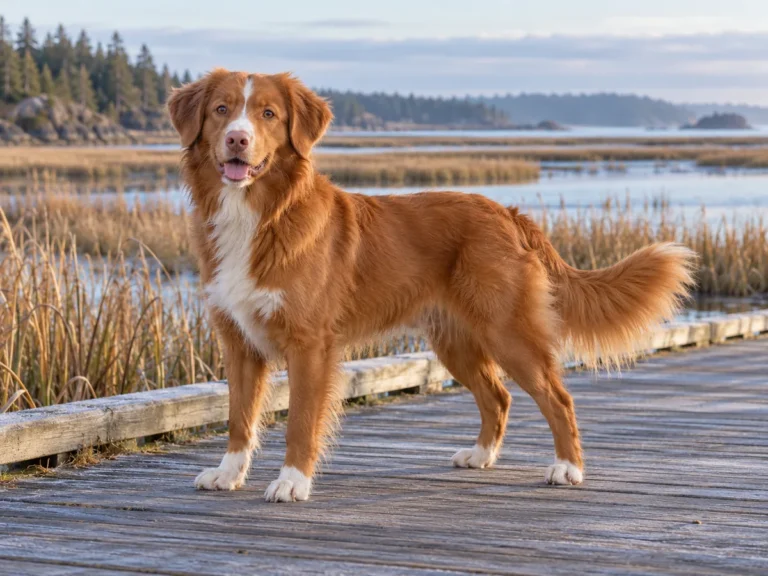
Affectionate · Medium · Playful

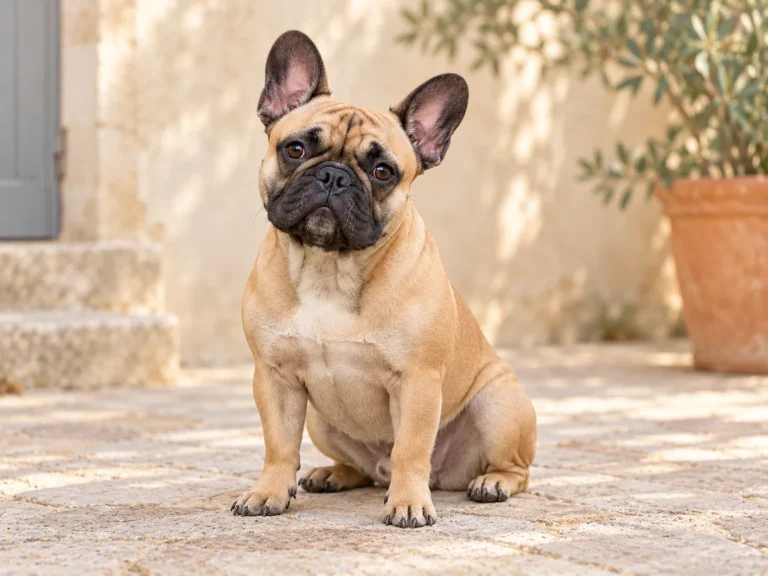
Affectionate · Playful · Quiet
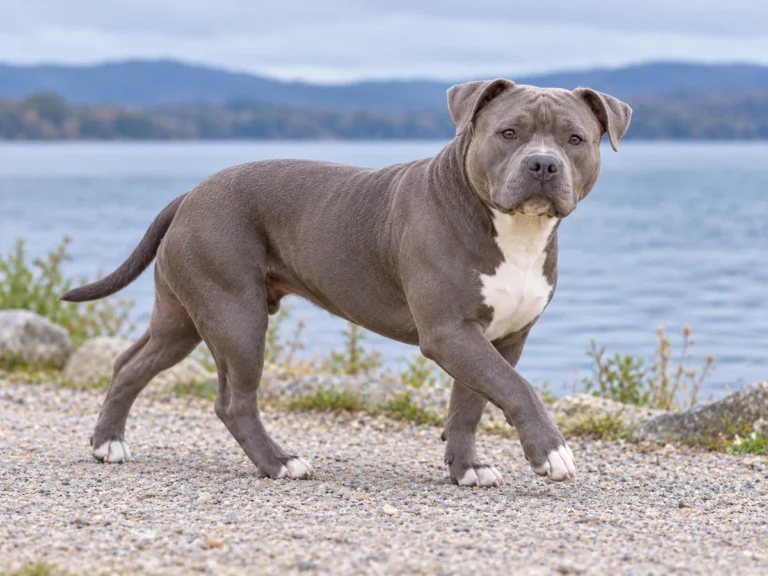
Affectionate · Medium · Moderate
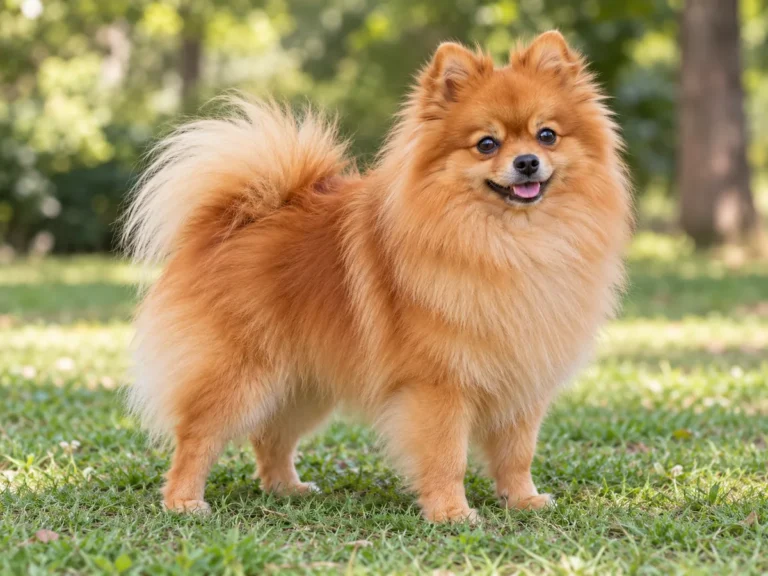
Affectionate · Curious · Long
Scan with a phone camera, QR scanner, or social app to open this page.
Scan with WeChat to open this page, then use WeChat to forward it.
Enter the Mastodon server where your account is hosted.
By continuing, you agree to our Terms and Privacy Policy.
By continuing, you agree to our Terms and Privacy Policy.