
✦
Training
Build healthy habits and communicate more clearly.
The Pomeranian, often affectionately called a Pom, is a small, compact toy dog. It belongs to the spitz family, whose distinctive features include upright ears, a tail curled over the back a…
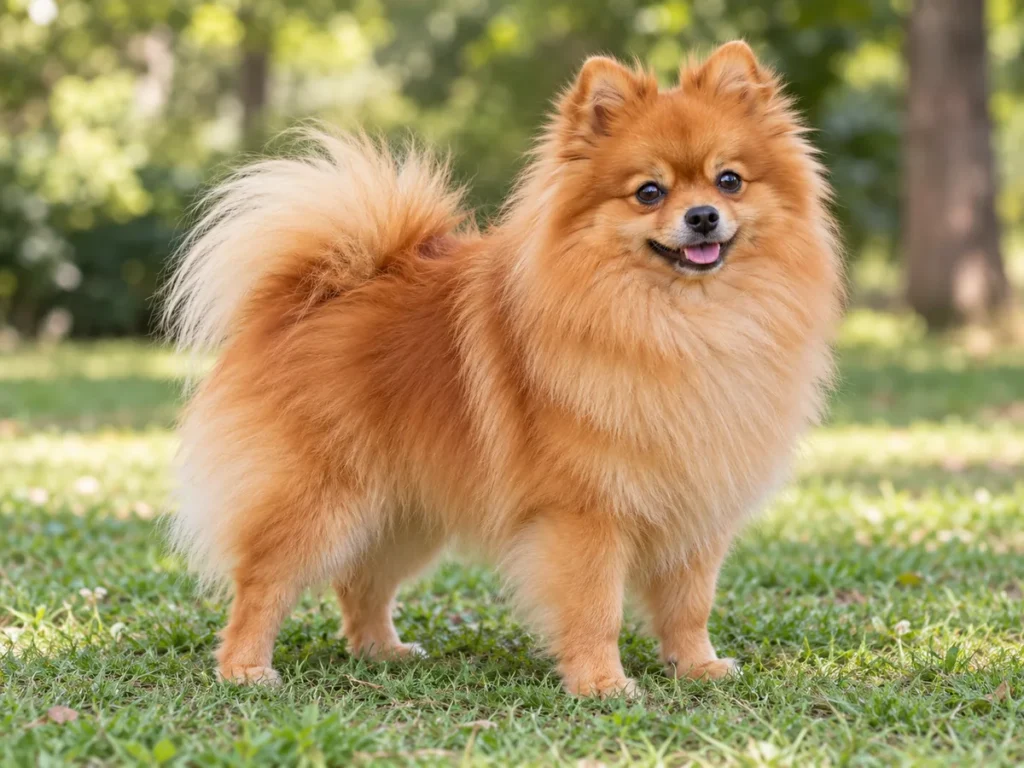
The Pomeranian, often affectionately called a Pom, is a small, compact toy dog. It belongs to the spitz family, whose distinctive features include upright ears, a tail curled over the back and a thick double coat. Most Pomeranians today are family companions, but they retain the lively, watchful nature of a dog that likes to know what is happening around it.
The breed takes its name from Pomerania, a historical region along the southern Baltic coast that spans parts of present-day Germany and Poland. The area played an important part in the breeding and spread of early Pomeranian types. Within the German Spitz classification, the Pomeranian is the Toy Spitz, the smallest variety. Its German breed origin and a name drawn from a region now shared by Germany and Poland reflect different aspects of the same history.
Pomeranians were not always this small. Their background lies with larger northern spitz dogs, which carried out work such as herding, guarding and pulling sleds. Early dogs known as Pomeranians were also much larger than the toy-sized dogs familiar today.
As companionship became their main role, breeders continued to select smaller dogs over many generations. This gradually produced the compact modern Pomeranian. The upright ears, curled tail and dense coat remained, while its size and everyday role changed considerably.
Britain played an important role in the development of the Pomeranian as a small companion dog. In 1767, Queen Charlotte brought two Pomeranians to Britain. These were larger dogs, and historical portraits already show their abundant coats, upright ears and tails curled over their backs.
Queen Victoria’s enthusiasm helped popularize the breed further in the late nineteenth century. In 1888, a Pomeranian named Marco from Florence, Italy, became one of her cherished dogs. Her preference for smaller Pomeranians encouraged breeders to take an interest in them, too. British breeding and dog shows helped shape the toy dog that is so familiar today.
A Pomeranian has a short, compact body and a head that narrows towards the muzzle. Small, upright triangular ears give it a foxlike expression. The tail is set high and curls forwards over the back. Abundant hair around the neck and shoulders forms a ruff, while the tail carries a full plume.
Its coat has two layers: longer, straight outer hairs that stand away from the body, and a short, dense undercoat. Together they create its fluffy outline. Orange, white, black, brown and grey are among the breed’s coat colours. These are colour variations within the same breed. Colour and grooming style can change a dog’s appearance, so its underlying build, ear shape and tail carriage also matter when getting to know the Pomeranian.
Pomeranians usually enjoy the company of familiar people. They are quick to respond and keen to explore. Learning a small trick together or playing a game of find-the-toy often meets their need for interaction better than being left to entertain themselves.
That alertness can also make them vocal. Footsteps outside the door, unfamiliar visitors or an exciting game may all set off barking. Before getting a Pomeranian, consider how noise will affect your neighbours. From an early age, teach useful habits such as waiting quietly and returning to you when called.
They are intelligent, but quick learning does not always mean willing cooperation. Toilet training in particular can take patience. A predictable routine, prompt rewards and short practice sessions are more useful than repeatedly hurrying the dog along.
Being affectionate with family does not mean a Pomeranian will welcome every stranger or every other dog. Introduce new places and companions gradually. Adults should supervise children’s interactions, preventing chasing, rough hugging or carrying the dog around as though it were a toy.
A Pomeranian’s small size and enjoyment of human company can make everyday life together rewarding. Moderate walks combined with indoor games can meet its daily activity needs. An apartment can be a suitable home when its owner provides regular companionship and training.
The time commitment is real: the double coat needs thorough brushing, shed hair means regular cleaning, and barking requires ongoing guidance. This is neither an odour-free nor a non-shedding breed. Eating relatively little also does not remove the need to budget for grooming, dental care and veterinary treatment.
A small body makes a Pomeranian easier to carry, but also calls for gentler handling from everyone at home. Being comfortable with these care needs matters more than a preference for a particular face shape or haircut.
Choose a complete and balanced dog food suited to your dog’s life stage, then adjust portions to its weight, body condition and activity level. Include treats in the day’s total intake. Arbitrary rules about leaving a dog partly hungry, or assuming that licking the bowl means it needs more food, are unreliable ways to judge portions. A thick coat can hide changes in body condition, making regular weighing and hands-on body condition checks useful.
Puppies need a feeding schedule suited to their age rather than simply following an adult dog’s routine. Very small puppies are at risk of low blood sugar. Agree on the number of daily meals with your veterinarian and avoid long periods without food. Ask about supplements before using them, rather than copying a calcium-supplement routine intended for dogs of a different size.
For a healthy adult Pomeranian, around 30 minutes of daily activity can be a useful starting point. Divide walks into short outings and include indoor play and opportunities to sniff and explore. Age, temperature and health affect the appropriate intensity; there is no need to cover a fixed distance. A lively temperament does not make a Pomeranian suited to prolonged, strenuous running.
Start everyday training with responding to its name, walking on a lead and waiting calmly. Gradually introduce brushes, paw handling and mouth checks as well, so future care is less stressful.
Brush thoroughly at least two or three times a week, increasing the frequency during shedding periods, and check for tangles. Work through the undercoat as well as the outer layer: a fluffy surface can conceal mats underneath. If brushing becomes difficult, ask a groomer experienced with double-coated dogs for help.
Bathe as needed and pay attention to areas that easily become soiled, such as beneath the tail. Introduce dental care early. Aim to brush daily with a dog toothbrush and toothpaste, and arrange dental checks as advised by your veterinarian.
Health concerns to be aware of include luxating patellas, collapsing trachea, dental problems and abnormal hair loss.
Repeated coughing, unusual hair loss or changes in movement should be assessed by a veterinarian. If a puppy suddenly becomes weak, trembles, walks unsteadily or has a seizure, seek veterinary help promptly. Difficulty breathing requires immediate veterinary attention. Do not try to manage these signs by giving medication yourself.
Start with the dog’s background, health records and suitability for your household, then consider appearance. If buying a puppy, learn about both parents and ask for verifiable results of patella, heart and eye examinations. Vaccination, parasite-treatment and previous veterinary records should also be clear. Choose a source that provides complete records and is open about its breeding practices.
A wet nose or an abundant coat cannot establish that a puppy is healthy. Observe its alertness, movement, breathing and interaction, and arrange a veterinary examination. Be cautious of sellers who focus on “teacup” dogs or claim that smaller is always better but cannot explain the dogs’ health or breeding background.
Adopting an adult Pomeranian is another option worth considering. Ask its carers about its actual barking habits, toilet training, response to grooming and behaviour around people and other dogs. This helps you judge whether it will suit your household. Sex, coat colour and pedigree papers cannot replace getting to know the individual dog.
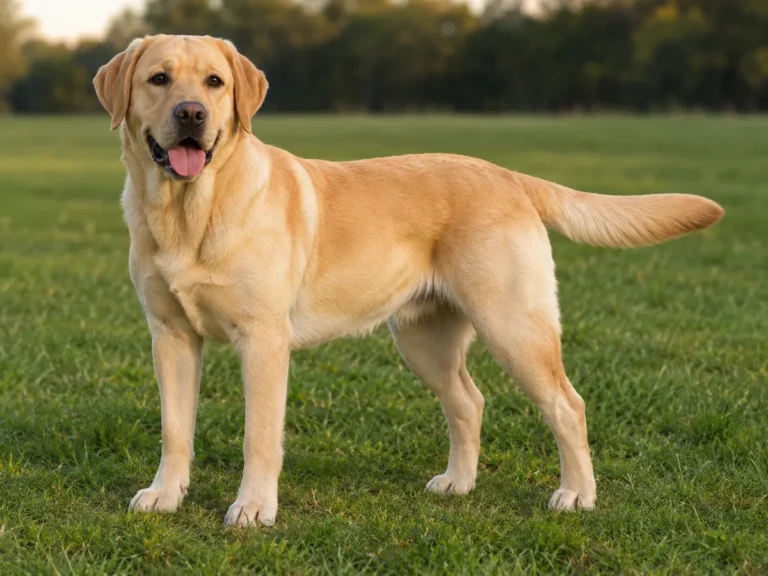
Affectionate · Medium · Moderate
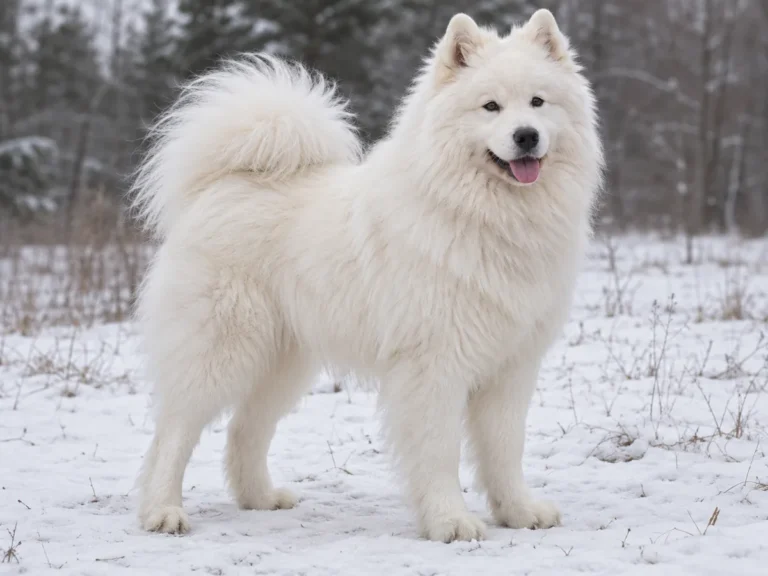
Affectionate · Long · Medium
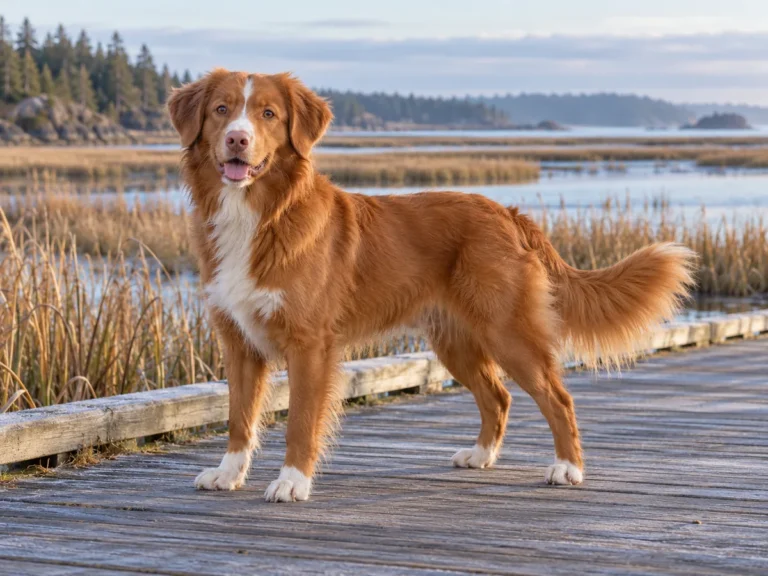
Affectionate · Medium · Playful
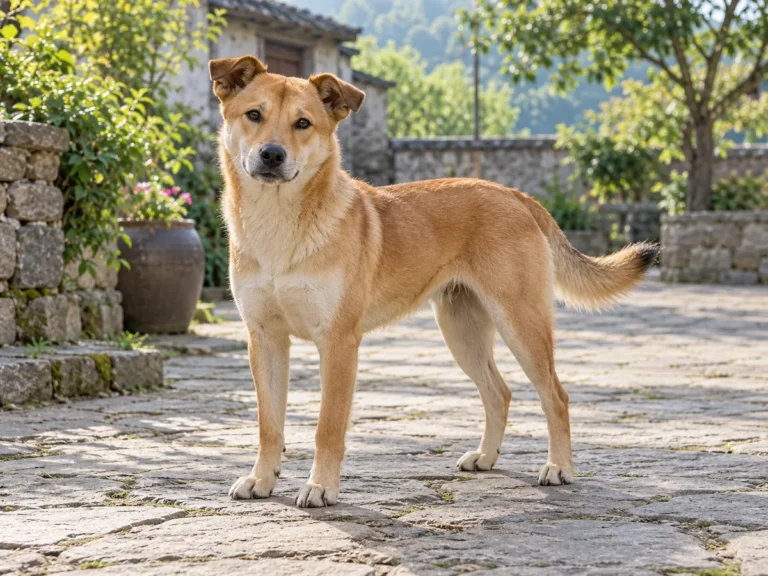
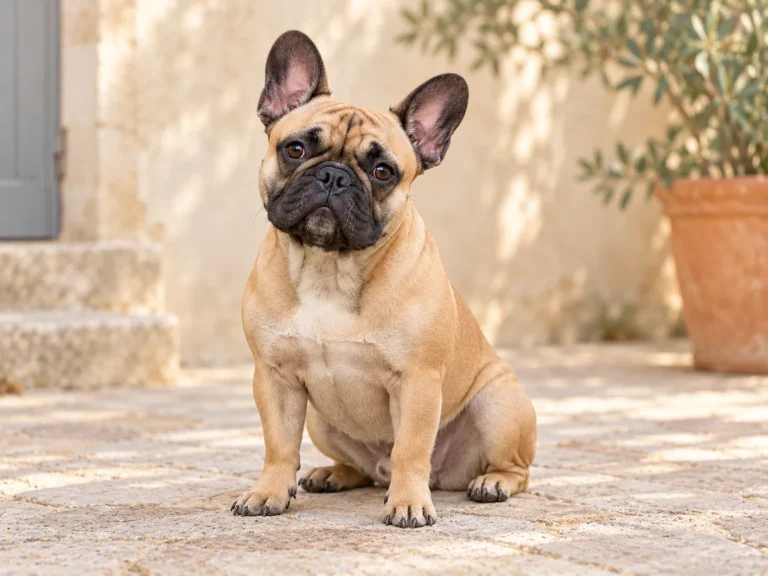
Affectionate · Playful · Quiet
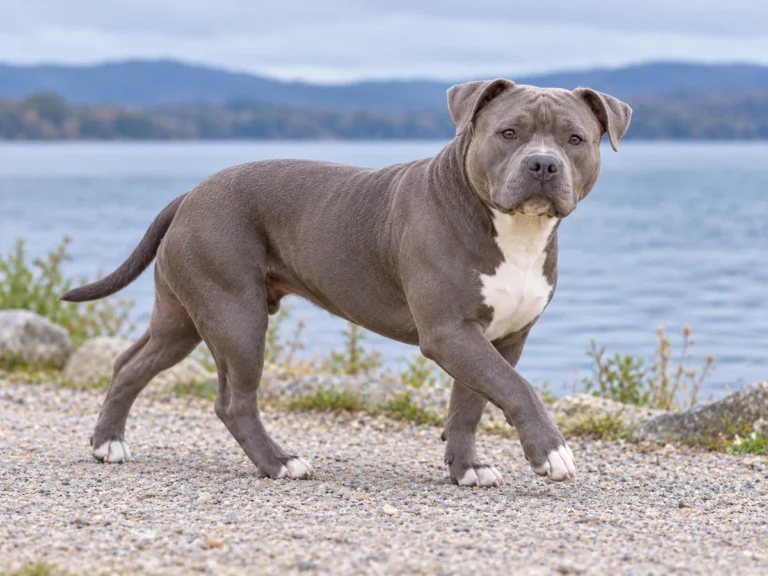
Affectionate · Medium · Moderate
Scan with a phone camera, QR scanner, or social app to open this page.
Scan with WeChat to open this page, then use WeChat to forward it.
Enter the Mastodon server where your account is hosted.
By continuing, you agree to our Terms and Privacy Policy.
By continuing, you agree to our Terms and Privacy Policy.