
✦
Training
Build healthy habits and communicate more clearly.
The Labrador Retriever originated in Newfoundland, Canada, and developed into the modern breed in Britain, where it worked primarily retrieving game for hunters. Sturdily built, with a broad…

The Labrador Retriever originated in Newfoundland, Canada, and developed into the modern breed in Britain, where it worked primarily retrieving game for hunters. Sturdily built, with a broad head and hanging ears, it has a short, dense coat in black, yellow or chocolate. Labradors are affectionate, lively and quick to learn, enjoying both family play and training. Alongside their role as companions, specially trained Labradors work as guide dogs, search-and-rescue dogs and detection dogs. Daily exercise, measured meals and regular brushing are the mainstays of their care. They suit households with time for walks, companionship and training.
Breed name: Labrador Retriever. Common names: Labrador and Lab. “Retriever” describes a dog that finds game and brings it back to the hunter.
Fishermen in Newfoundland kept water dogs to help haul nets and retrieve fish that had slipped off hooks. These dogs reached Britain in the 19th century, where selective breeding gradually developed the Labrador Retriever into a skilled gundog.
The name “Labrador” refers to the Canadian region northwest of the island of Newfoundland.
Adults stand approximately 54–62 cm at the withers and weigh around 25–36 kg, with males generally larger than females. Labradors have a solid build, a broad, deep chest and brown or hazel eyes. Their thick-based tail tapers towards the tip, giving it the distinctive “otter tail” shape.
The short, dense double coat includes an undercoat that helps protect against wet weather. Yellow coats range from pale cream to a deep, reddish yellow often called fox-red.
Labradors enjoy interacting with people and have potential both as family companions and working dogs. With suitable selection and training, some guide people with visual impairments, help search for missing people or use scent to locate specific targets.
Life expectancy is around 11–13 years, although genetics, health, diet and living conditions all affect an individual dog’s lifespan. Health concerns include hip and elbow dysplasia, some inherited eye diseases and exercise-induced collapse (EIC). Dogs affected by EIC may develop hind-leg weakness or collapse during or after intense exercise.
Labradors need daily activity and company. A household that struggles to arrange walks and care should think carefully before getting one. Rabbits, birds and other small pets need separate activity areas to prevent chasing that could frighten or injure them.
Affectionate and outgoing, Labradors like being part of family life and are often friendly towards strangers and other dogs. They are energetic, playful and interested in people. Their willingness to learn makes everyday training fairly straightforward, with well-timed praise and rewards helping them understand what is being asked.
That enthusiasm can sometimes mean jumping up or pulling on the lead, particularly when greeting visitors or anticipating play. Adults are strong dogs, so calm greetings and good lead manners are worth teaching early. An adult should supervise time with children to prevent an excited dog from knocking them over. Introduce other pets gradually and watch how both animals respond.
Feed measured portions of a complete and balanced dog food suited to the dog’s age and health, and keep fresh water available. Treats and training rewards count towards the daily food allowance. Check weight regularly and keep an eye on the waistline and how easily the ribs can be felt. If weight continues to rise, ask a vet to help adjust food and activity levels.
Daily walks and interactive games give a Labrador opportunities to move, sniff and explore. Even with a garden, outings offer new smells and environments. Adjust activity to age, fitness and health, and avoid the hottest part of the day in warm weather. Dogs that enjoy water can swim where the water and entry and exit points are safe, with supervision throughout.
Brush regularly to remove loose hair, increasing the frequency during heavier shedding. Bathe when needed. Check the skin and ears during grooming, and dry the outer ears after bathing or swimming. Repeated head shaking, ear scratching, an unusual smell or discharge calls for a veterinary check.
Follow your vet’s advice on check-ups, vaccinations, parasite prevention and dental care. Notice changes in movement, eyesight and activity. Seek immediate veterinary care for sudden collapse, difficulty standing, a suddenly swollen abdomen or repeated retching without bringing anything up.
When choosing a puppy, ask for both parents’ hip, elbow and eye examination reports, along with EIC genetic test results. Joint and eye checks look for relevant abnormalities; EIC testing identifies the associated genetic variant to help breeders assess mating decisions and the risk to puppies. Make sure the reports belong to the puppy’s parents. A pedigree does not replace health screening.
Observe how the puppy moves, its alertness, its response to people and the conditions in which it is being raised. Check veterinary, vaccination and parasite-treatment records. Puppies should generally be at least eight weeks old and fully weaned before joining a new home, with any local requirements for rehoming also met. Arrange a veterinary check after arrival.
Ask about medical history and medication, as well as behaviour when left alone, walked on a lead or spending time with children and other pets. A walk and some interaction with the current carer can help you judge whether the dog’s strength, energy and habits fit your life.
Labradors suit people who enjoy getting outdoors and spending time with their dog. Apartment living can work with reliable outings and a quiet resting place. Before deciding, make sure the household can manage daily care, training and cleaning, with someone to step in during busy periods or trips away.
Ongoing costs include food, supplies, routine veterinary care and unexpected treatment. Frequent travellers should also allow for boarding or a pet sitter. Check that dogs are permitted where you live, and plan for a commitment that may last well over a decade.

Affectionate · Long · Medium
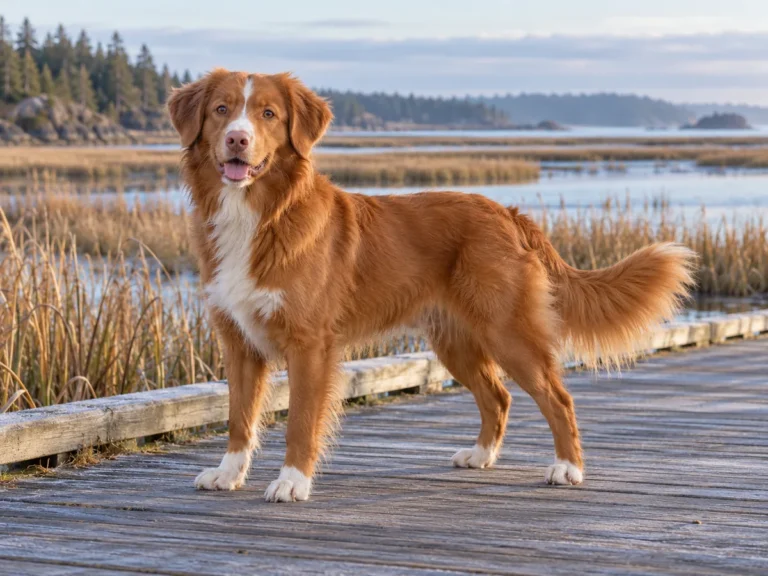
Affectionate · Medium · Playful


Affectionate · Playful · Quiet

Affectionate · Medium · Moderate

Affectionate · Curious · Long
Scan with a phone camera, QR scanner, or social app to open this page.
Scan with WeChat to open this page, then use WeChat to forward it.
Enter the Mastodon server where your account is hosted.
By continuing, you agree to our Terms and Privacy Policy.
By continuing, you agree to our Terms and Privacy Policy.