
✦
Training
Build healthy habits and communicate more clearly.
Chinese Village Dog is a descriptive umbrella term for local village dogs found across China. Tugou is a common Chinese name, but neither term identifies a single standardised breed. These d…

Chinese Village Dog is a descriptive umbrella term for local village dogs found across China. Tugou is a common Chinese name, but neither term identifies a single standardised breed. These dogs vary markedly in size, colour, coat, ear carriage and tail shape. A field survey of village dogs in southern China recorded short, coarse, curly and long coats, as well as upright, semi-pricked and drop ears. Village dogs have traditionally helped guard homes and assist with hunting, and many now live as companions. Before adopting one, look at that dog’s health records and behaviour, then plan food, exercise, training, secure outings and preventive care around its age, build and medical needs.
Chinese Village Dog is a descriptive English name rather than a pedigree classification. Tugou, literally “native” or “local dog” in common usage, is another widely used label. Regional Chinese names such as Chaigou and Caogou also occur, but they do not establish ancestry.
Local dogs have long lived alongside people in rural China, where they guarded homes and sometimes assisted hunters. Sharing these roles does not mean that every village dog belongs to one bloodline, and the name itself is not proof of pedigree.
Fieldwork in villages in Yunnan, Guizhou and Guangxi documented small, medium and taller dogs. Coats included short, coarse, curly and long types in white, black, pale yellow, tan, brindle, black-and-tan and mixed colours. Ears could be upright, semi-pricked or dropped; tails could curl, rise, extend straight or hang down. That research covered selected sites in southern China and should not be treated as a national breed standard.
Temperament must be assessed dog by dog. Responses to people, noise and other animals are shaped by genetics, early socialisation, health and experience. Dogs used to watch a property may bark at unfamiliar activity or keep their distance from strangers. Manage those behaviours safely and use reward-based training; they do not show that this whole population is aggressive.
The label covers a very diverse population, so it cannot provide a reliable lifespan or a single disease-risk profile. Calling a dog Tugou also does not prove that it is naturally healthier or more resistant to disease. Review vaccination, parasite prevention, previous illness and medication records. Persistent vomiting, diarrhoea, coughing, lameness, skin changes, lumps or sudden behaviour changes warrant veterinary attention.
A puppy’s adult size, coat and behaviour cannot be predicted accurately from this name alone. Prepare a quiet sleeping area and fixed places for food and water, and make sure doors, windows and fencing will prevent escape.
Observe the dog while resting, walking on lead, meeting unfamiliar people and noticing other animals. Avoidance, freezing, a tucked tail, prolonged barking or lunging may reflect fear, stress, pain or illness. Increase distance and investigate the cause. A dog that approaches willingly is not automatically friendly in every setting, and contact between children and dogs always needs adult supervision.
Start with name response, loose-lead walking, waiting, recall and settling calmly. Reward desired behaviour with food, play or affection. If barking, chasing, resource guarding or aggression continues, prevent further conflict with leads, gates or separate areas. Ask a veterinarian to rule out pain or illness, then seek a qualified professional who uses reward-based methods if more help is needed.
Choose a complete and balanced dog food suited to age and health, then adjust the amount to body condition. Rice soaked in broth, table scraps, organ meat or bones do not make a complete diet. Cooked bones can damage teeth or the digestive tract. Long-term home-prepared diets should be reviewed by a veterinarian or an appropriately qualified veterinary nutrition professional. Keep fresh water available.
Provide daily lead walks, sniffing and play, with intensity matched to age, size and health. Use a correctly fitted harness or collar and lead outdoors, and secure gates and fencing. Puppies should not be pushed through prolonged running or repeated jumping. Older or unwell dogs may need a veterinary exercise plan. In hot weather, avoid midday heat and hot pavement.
Brushing frequency depends on coat length, texture and tangling. A short, close coat is usually less prone to mats; long and curly coats need particular attention behind the ears, under the forelegs, around the hind legs and at the tail. Check skin, ears, paw pads, nails and mouth regularly. Ongoing itching, hair loss, redness, discharge or odour should be examined by a veterinarian.
A veterinarian should tailor vaccination and parasite prevention to the dog’s age, records, lifestyle and local disease risks. Follow local rules and veterinary advice for rabies vaccination. Whether and when to neuter should be considered individually according to sex, age, health and lifestyle. An identity tag or registered microchip can help reunite a lost dog with its carer.
Confirm age, diet, vaccinations, parasite prevention, previous illness and medication, and ask to see the available records. If records are missing, arrange a fresh veterinary assessment. Claims such as “pure Tugou” or “naturally disease-resistant” are not health certificates.
Look at alertness, eyes, coat, breathing and gait, and note nasal discharge, coughing, diarrhoea, lameness or persistent scratching. A wet or dry nose does not reveal overall health. Pinching toes, making sudden loud noises or forcibly rolling a puppy over can cause fear and cannot reliably predict adult behaviour, so these should not be used as selection tests.
Observe size, coat and lead behaviour. Ask whether the dog barks continuously, damages objects or tries to escape when alone, and whether there is a history of guarding food, chasing, running away or biting. Ask separately about experience with children, cats and other dogs. In a new home, begin with a stable diet and routine and introduce new situations gradually.
Make sure the household can provide food, exercise, training, grooming and veterinary care over the long term. If children or other animals live at home, keep first meetings controlled on lead and supervised by an adult. Children should not disturb a dog while it eats, sleeps or rests. Stop the interaction and create distance if the dog shows stress.
Plan for food, walking equipment, preventive care, examinations, neutering and unexpected treatment. Registration, breed restrictions and lead rules depend on where you live. Renters and apartment residents should also check their lease and building rules before adopting.

Affectionate · Medium · Moderate
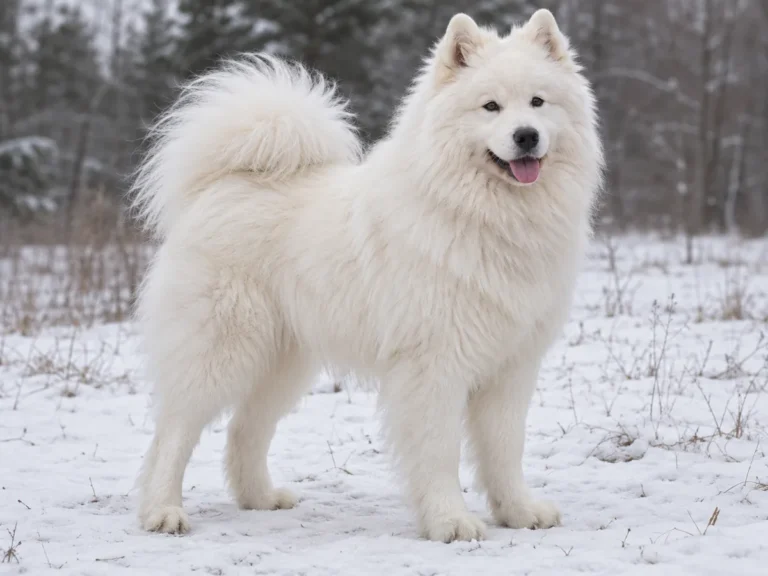
Affectionate · Long · Medium

Affectionate · Medium · Playful

Affectionate · Playful · Quiet
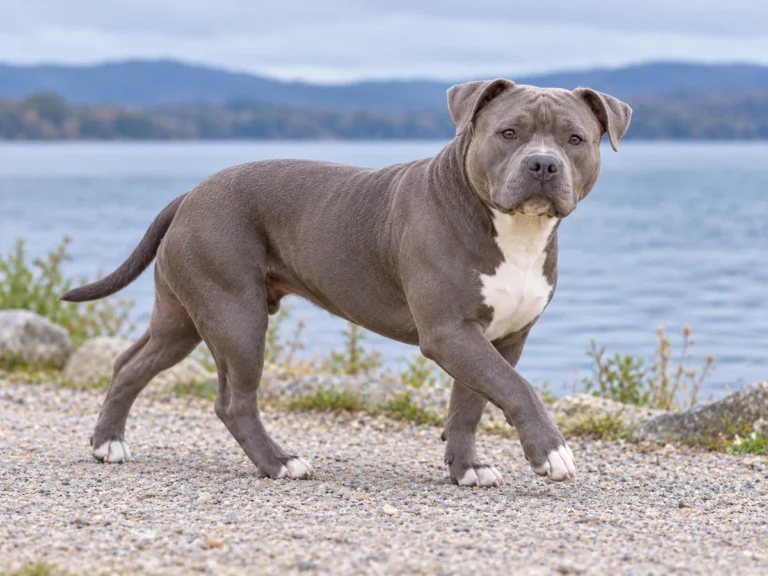
Affectionate · Medium · Moderate

Affectionate · Curious · Long
Scan with a phone camera, QR scanner, or social app to open this page.
Scan with WeChat to open this page, then use WeChat to forward it.
Enter the Mastodon server where your account is hosted.
By continuing, you agree to our Terms and Privacy Policy.
By continuing, you agree to our Terms and Privacy Policy.